
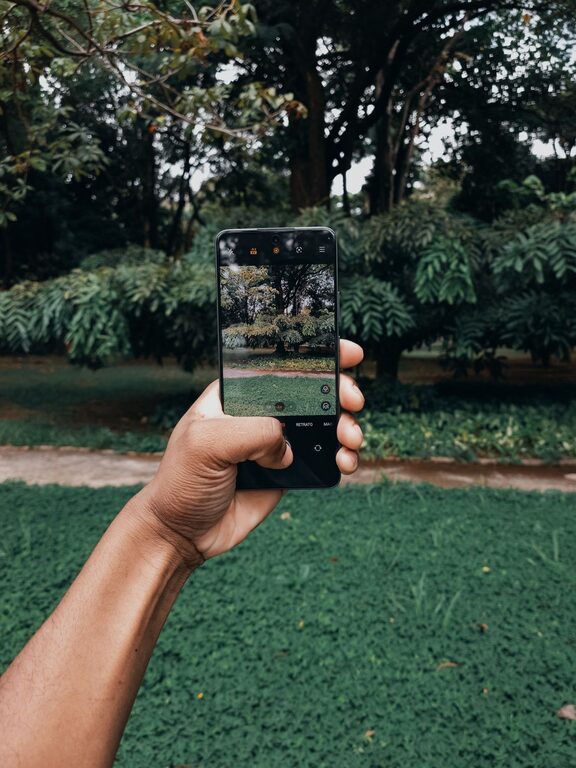
Taking great photos with your phone is easier than you might think. Whether you’re capturing moments from your daily life, scenic landscapes, or portraits of friends and family, a few simple techniques can make a big difference in the quality of your images. This guide offers beginner-friendly tips to help you take better phone photos and make the most of your device’s camera.
Understand Your Phone Camera
Most smartphones today come equipped with powerful cameras that offer many features. Before you start capturing photos, spend some time exploring your camera app:
– Learn the basics: Familiarize yourself with settings like focus, exposure, and zoom.
– Explore shooting modes: Many phones offer modes such as portrait, panorama, or night mode.
– Clean the lens: A clean lens is essential for sharp, clear images. Wipe it gently with a microfiber cloth before shooting.
Composition Tips to Improve Your Photos
Good composition can turn an average photo into a visually appealing one. Here are some beginner composition tips:
Use the Rule of Thirds
– Imagine your screen divided into a 3×3 grid.
– Position your main subject along these lines or at their intersections.
– Most phone cameras offer a grid overlay you can enable in settings to help with this.
Find Leading Lines
– Look for natural lines in your scene, like roads, fences, or bridges.
– Use these lines to lead the viewer’s eye toward your subject.
Keep It Simple
– Avoid cluttered backgrounds that distract from the subject.
– Focus on one main point of interest in your photo.
Try Different Perspectives
– Don’t just shoot at eye level; experiment with angles from above, below, or from the side.
– Changing your position can reveal new and interesting views.
Harness Natural Light
Lighting plays a crucial role in photography. Here’s how to make the most of it:
– Use natural light when possible: Early morning or late afternoon provides soft, warm light known as “golden hour.”
– Avoid harsh midday sun: This can cause strong shadows and overexposed areas.
– Find shaded areas: If the sun is too bright, shooting in the shade can create even lighting.
– Use the phone’s exposure adjustment: Tap on your subject on the screen and slide to brighten or darken the image.
Use Focus and Exposure Controls
Most phone cameras allow you to control focus and exposure separately:
– Tap to focus: This tells the camera where to sharpen details.
– Adjust exposure: After focusing, slide your finger up or down to increase or decrease brightness.
– Lock focus and exposure: Some apps allow you to lock both settings for consistent shots, useful when your subject or lighting changes.
Keep Your Hands Steady
Blurred photos can happen when your hands shake. Here’s how to avoid it:
– Hold your phone with both hands: This gives better stability.
– Lean against a solid surface: A wall or table can help keep the phone steady.
– Use a tripod or phone stand: Affordable options are available if you want extra support.
– Use the timer: This prevents shakes caused by pressing the shutter button.
Experiment with Zoom Carefully
While digital zoom can be tempting, it often reduces photo quality:
– Use zoom sparingly: Try moving closer to your subject instead.
– Consider cropping: Taking a full photo and cropping later can preserve image quality better than zooming in.
Edit Your Photos Thoughtfully
Editing can enhance your photos, but it’s best used to improve rather than fix mistakes:
– Use built-in editing tools: Adjust brightness, contrast, saturation, and crop to improve your image.
– Try free editing apps: Many apps offer filters and advanced editing, but avoid overdoing it.
– Keep edits natural: Aim for subtle enhancements that make your photo look better, not artificial.
Practice Regularly
Like any skill, photography improves with practice:
– Take photos daily and review what works well.
– Try shooting different subjects like nature, people, food, or architecture.
– Challenge yourself with new techniques, such as close-ups or night shots.
Summary
Taking better phone photos is within your reach by understanding your camera’s features, applying basic composition rules, using natural light effectively, and practicing steady shooting. With time and experimentation, your phone photography will improve, and you’ll capture memorable images that you’re proud to share.
Happy shooting!
About the Author