Starting a basic skincare routine may seem overwhelming with so many products and advice available. However, taking care of your skin doesn’t have to be complicated or time-consuming. A simple, consistent routine can improve your skin’s health, appearance, and overall glow. Whether you’re new to skincare or want to build a foundation of good habits, this guide will walk you through the essentials of a basic skincare routine.
Why Start a Skincare Routine?
Your skin is your body’s largest organ and acts as a protective barrier against environmental factors like pollution, UV rays, and bacteria. A regular skincare routine helps maintain this barrier, prevent dryness or breakouts, and can slow down signs of aging. Moreover, taking a few minutes daily to care for your skin can boost your confidence and make you feel refreshed.
Understanding Your Skin Type
Before choosing products, it’s important to know your skin type because different skin types need different care. The main skin types are:
– Normal: Balanced, not too oily or dry.
– Dry: Feels tight, flaky, or rough.
– Oily: Shiny, greasy, prone to breakouts.
– Combination: Oily in some areas (usually the T-zone) and dry or normal in others.
– Sensitive: Easily irritated, red, or itchy.
You can do a simple test by washing your face, waiting an hour, and then observing how your skin feels and looks.
Basic Steps for a Skincare Routine
Here are the key steps for a simple skincare routine, suitable for most skin types:
1. Cleansing
Cleansing is the first and most important step. It removes dirt, oil, and impurities that accumulate on the skin throughout the day or night.
– Use a gentle cleanser that suits your skin type.
– Wash your face twice a day—once in the morning and once before bed.
– Avoid hot water; use lukewarm water to prevent dryness.
– Gently pat your face dry with a clean towel.
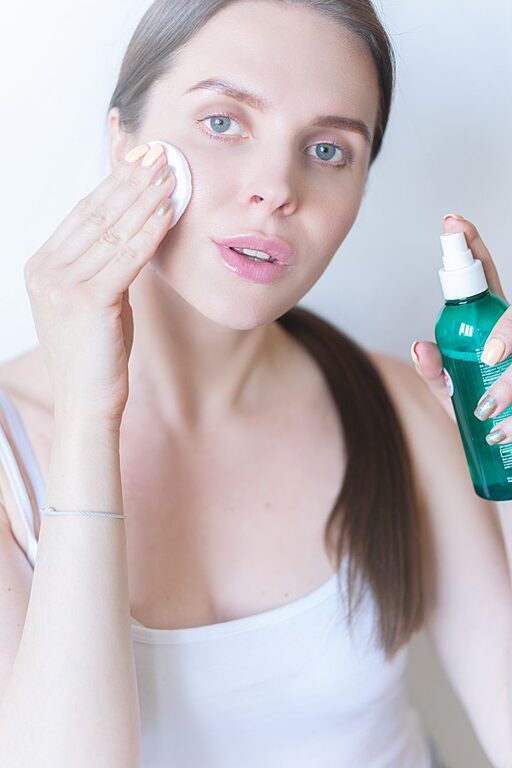
2. Toning (Optional)
Toners can help balance your skin’s pH and remove any leftover impurities after cleansing. This step is optional but can be beneficial for oily or combination skin.
– Choose an alcohol-free toner.
– Apply using a cotton pad or your hands.
– Look for soothing ingredients like aloe vera or witch hazel.
3. Moisturizing
Moisturizer keeps your skin hydrated and prevents dryness. It also helps protect the skin barrier.
– Pick a moisturizer suitable for your skin type: lightweight for oily skin, richer creams for dry skin.
– Apply moisturizer while your skin is still slightly damp for better absorption.
– Use a day moisturizer with SPF for daytime to protect against UV damage.
4. Sun Protection (Morning Routine)
Using sunscreen daily is crucial, even if you stay indoors.
– Choose a broad-spectrum sunscreen with at least SPF 30.
– Apply sunscreen as the last step in your morning skincare routine.
– Reapply every two hours if you’re outdoors for extended periods.
Additional Tips for Starting a Skincare Routine
– Introduce products gradually: Start with cleanser and moisturizer first, then add other products like toner or sunscreen.
– Patch test new products: Apply a small amount on your wrist or behind your ear to check for reactions.
– Stay consistent: Results take time; aim to follow your routine daily.
– Stay hydrated and maintain a healthy diet: Water and nutrition support your skin’s health from within.
– Avoid touching your face frequently: This helps reduce the spread of bacteria and irritation.
Optional Steps to Add Later
Once you feel comfortable with the basics, you can consider adding these extras:
Exfoliation
– Helps remove dead skin cells.
– Use a gentle exfoliator 1-2 times per week.
– Avoid harsh scrubbing to prevent irritation.
Serums or Treatments
– Target specific concerns like acne, dark spots, or fine lines.
– Use after cleansing and before moisturizing.
– Ask a skincare professional for recommendations.
Skincare Routine Example for Beginners
Morning
- Cleanse with a gentle cleanser.
- Apply toner (optional).
- Moisturize with SPF.
- Apply sunscreen.
- Cleanse to remove makeup and dirt.
- Apply toner (optional).
- Moisturize with a nourishing night cream.
Evening
Conclusion
Starting a basic skincare routine doesn’t have to be complicated or expensive. By understanding your skin type and following simple, consistent steps, you can keep your skin healthy, comfortable, and glowing. Remember that skincare is personal, so feel free to adjust your routine as your skin changes with seasons or age. With patience and care, you’ll enjoy the benefits of a well-maintained skincare routine for years to come.
About the Author