Composting at home is a great way to reduce waste, enrich your garden soil, and contribute to a healthier environment. If you’re new to composting, it might seem a little overwhelming at first. But with some simple guidance, you can start turning everyday kitchen scraps and yard waste into valuable compost in no time. This guide will walk you through the basics and give you handy tips for successful home composting.
What Is Composting?
Composting is the natural process of recycling organic matter, such as food scraps and plant material, into a rich soil amendment. This process happens when microorganisms break down the organic waste into humus, a nutrient-dense substance that helps plants grow.
Why Compost at Home?
– Reduces Waste: Composting helps divert food scraps and yard waste from landfills.
– Improves Soil: Compost adds nutrients and improves soil structure.
– Saves Money: Less need for chemical fertilizers and store-bought soil conditioners.
– Supports the Environment: Reduces methane emissions from landfills and promotes healthy ecosystems.
Getting Started: What You’ll Need
Before you begin, gather some basic supplies:
– Compost bin or pile: Choose a container or designate a spot in your yard.
– Organic materials: Kitchen scraps like vegetable peels, coffee grounds, and yard waste.
– Water source: Compost needs moisture to break down materials.
– Garden fork or shovel: To turn and aerate your compost.
Types of Compost Setups
– Compost Bin: A closed container ideal for small spaces, helps keep pests out.
– Compost Pile: An open heap that works well if you have plenty of yard space.
– Tumbler: A rotating bin that makes turning compost easy and speeds up decomposition.
What to Compost: Greens and Browns
Good compost needs a balance of “green” and “brown” materials to break down efficiently.
– Green materials (nitrogen-rich):
– Fruit and vegetable scraps
– Coffee grounds and tea bags
– Fresh grass clippings
– Plant trimmings
– Brown materials (carbon-rich):
– Dry leaves
– Straw or hay
– Shredded newspaper or cardboard
– Small branches or twigs
Avoid Composting These Items
– Meat, dairy, and oily foods (can attract pests)
– Diseased plants or weeds with seeds
– Pet waste (may carry harmful pathogens)
– Synthetic materials like plastics or treated wood
Step-by-Step Composting Process
1. Choose Your Location
Pick a shaded or partly shaded spot with good drainage — not too wet or dry.
2. Build Your Compost Layer
Start with a layer of coarse brown materials like twigs to help with aeration. Then add alternating layers of green and brown materials about a few inches thick.
3. Keep It Moist
Your compost should be damp like a wrung-out sponge. Water it occasionally if it dries out.
4. Turn Your Compost Regularly
Use a garden fork or shovel to mix the pile every 1-2 weeks. Turning adds oxygen, which helps speed up decomposition and prevents odor.
5. Monitor the Temperature
A healthy compost pile heats up as microbes work. It should feel warm inside, which means the process is on track.
6. Be Patient
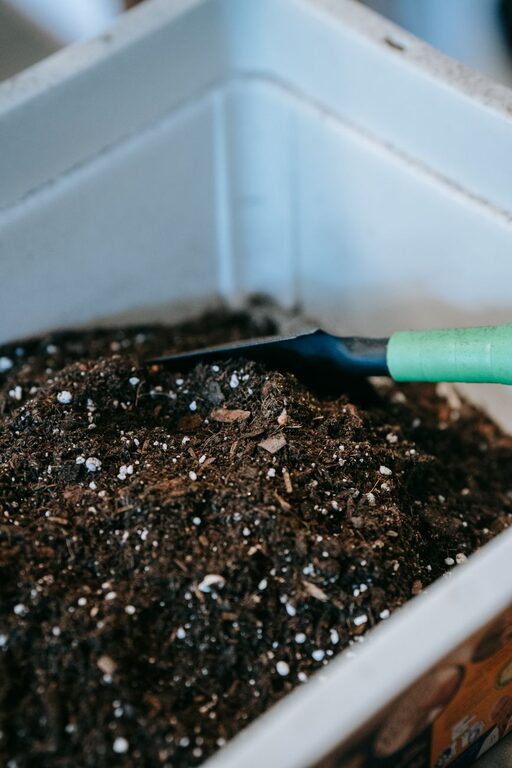
Composting can take from a few weeks to several months depending on conditions. Finished compost looks dark, crumbly, and earthy-smelling.
Tips for Success
– Balance greens and browns: Too much green makes the pile slimy and smelly; too much brown slows decomposition.
– Chop or shred waste: Smaller pieces break down faster.
– Avoid compaction: Don’t let the pile get too compacted; air is essential.
– Add finished compost: Occasionally mixing in mature compost can introduce helpful microbes.
– Use worms: Vermicomposting with red worms can speed things up indoors or in small spaces.
Using Your Finished Compost
Once your compost is ready, you can:
– Mix it into garden beds to improve soil fertility.
– Use it as potting mix for containers.
– Spread it as mulch around plants to retain moisture.
– Feed your lawn by top-dressing with a thin layer.
Common Composting Challenges
– Odor problems: Usually caused by too much green material or poor aeration; turn the pile and add more browns.
– Pile too dry: Sprinkle water as needed.
– Slow decomposition: Add nitrogen-rich greens and turn more frequently.
– Pests: Use a covered bin or bury food scraps deeper in the pile.
Final Thoughts
Starting a compost pile at home is easier than you might think. With the right balance of materials, moisture, and regular turning, you can create a valuable resource for your garden while reducing household waste. Composting is a rewarding and eco-friendly hobby that benefits your plants and the planet alike. Give it a try and watch your scraps transform into garden gold!
—
Happy composting! If you have questions or want to share your homemade composting experience, feel free to leave a comment below.
About the Author