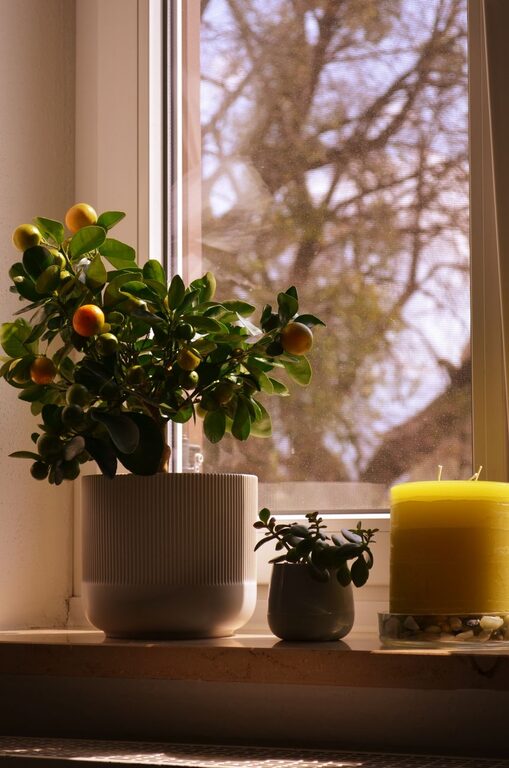
Bringing plants into your home is one of the easiest and most rewarding ways to refresh your living space. Not only do plants add a natural touch of beauty, but they can also improve air quality and create a calming atmosphere. Whether you’re a seasoned plant owner or just starting out, this guide will help you choose, place, and care for plants that suit your home and lifestyle.
Why Add Plants to Your Home?
Plants offer several benefits beyond their visual appeal:
– Improve air quality: Many indoor plants can filter toxins and boost oxygen levels.
– Enhance mood and reduce stress: Studies show that being around plants can promote relaxation.
– Add natural color and texture: Plants bring life and variety to any room’s design.
– Increase humidity: Plants release moisture, helping to balance dry indoor air.
Choosing the Right Plants for Your Space
Before you buy, consider the lighting, space, and care each plant requires. Here’s a quick guide to help:
Evaluate Light Levels
– Bright indirect light: Near a south- or west-facing window with some filtered sunlight.
– Low to medium light: Rooms with north-facing windows or areas away from windows.
– Direct sunlight: Areas with unobstructed sun for several hours daily.
Plant Options by Light Level
| Light Level | Plant Suggestions |
|——————–|————————————–|
| Bright indirect | Fiddle Leaf Fig, Rubber Plant, Boston Fern |
| Low to medium | Snake Plant, ZZ Plant, Pothos |
| Direct sunlight | Succulents, Cacti, Aloe Vera |
Consider Your Lifestyle
– Beginner-friendly: Snake Plant, Pothos, Spider Plant
– Pet-safe: Areca Palm, Calathea, Boston Fern
– High maintenance: Orchids, Bonsai, Fiddle Leaf Fig
How to Arrange Plants for Maximum Impact
Adding plants strategically can highlight your home’s best features and create a welcoming atmosphere.
Create a Green Corner
Dedicate a corner in your living room or bedroom to a collection of plants at different heights. Use plant stands, shelves, or hanging pots to vary their placement.
Use Plants as Natural Dividers
Tall plants like bamboo palms or fiddle leaf figs can break up open spaces without heavy furniture.
Decorate Functional Spaces
– Kitchen: Small herb pots on the windowsill or counter
– Bathroom: Humidity-loving plants like ferns or air plants
– Entryway: A decorative plant to greet guests and refresh the air
Tips for Caring for Indoor Plants
Proper care helps plants thrive and keeps your home looking fresh.
Watering
– Water needs vary by plant; some like consistently moist soil, others prefer to dry out between waterings.
– Check soil moisture by sticking your finger about an inch into the soil.
– Avoid overwatering, which can cause root rot.
Light
– Rotate plants regularly so all sides get light evenly.
– Adjust placement seasonally; windows may get stronger light in summer and weaker in winter.
Feeding
– Fertilize indoor plants every 4-6 weeks during the growing season (spring and summer) with a balanced, water-soluble fertilizer.
Cleaning
– Dust leaves gently with a damp cloth to help plants absorb sunlight effectively.
– Trim yellow or dead leaves to encourage healthy growth.
Creative Ideas to Incorporate Plants
To personalize your plant décor, try these creative approaches:
– Terrariums: Miniature ecosystems using succulents or moss, perfect for desks or shelves.
– Wall-mounted planters: Great for small spaces or adding greenery at eye level.
– Hanging gardens: Use macramé plant hangers or ceiling hooks to suspend plants.
– Plant-themed décor: Use botanical prints, pots with interesting textures, or plant-inspired colors to complement your greenery.
Final Thoughts
Refreshing your home with plants brings more than just visual appeal—it can improve your well-being and create a connection to nature. Start with a few easy-care plants and experiment with arrangements to find what feels best for your space. Over time, you’ll enjoy a green oasis that evolves and grows along with you. Happy planting!
About the Author